More and more pharmacies are closing. I’m worried about my father
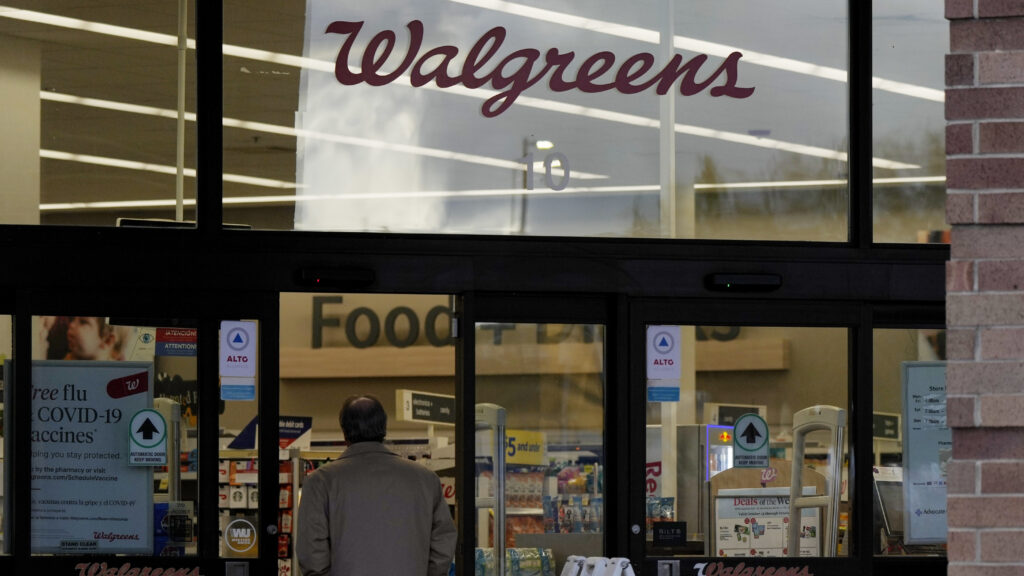
When my father needs insulin, he drives 25 miles round trip to the nearest Walgreens in a remote corner of California. This trip takes him about 50 minutes, or almost an hour each time he needs his medication, if he has a car. It’s the only nearby pharmacy where he can get his medications, a flu shot or basic health advice.
Walgreens announced it would close 1,200 stores by 2027. If my dad’s pharmacy closes, it’s not just an inconvenience. These closures constitute a slow-moving public health emergency. Across rural America, families like mine depend on their local pharmacy not only for their medications, but also for their survival.
These closures reflect an ethical failure: choosing investor profits over the duty to keep people healthy. Addressing this crisis requires three urgent actions: supporting underserved areas with targeted incentives and mobile or telepharmacy services, investing in the workforce through secure staffing and career pathways, and granting pharmacists provider status with an expanded scope of practice.
Between 2010 and 2021, the United States lost more than 26,000 pharmacies, nearly a third of all retail locations, or nearly one pharmacy for every city in America. Nearly 45 million Americans now live in “pharmacy deserts,” places where the nearest pharmacy is more than 10 miles away. Closures are accelerating. Rite Aid filed for bankruptcy in 2023 and Walgreens announced its closures. CVS announced earlier this year that it would close 270 stores. Rural communities, low-income neighborhoods, and communities of color are hardest hit.
This is no ordinary belt tightening. In July 2025, private equity firm Sycamore Partners acquired Walgreens Boots Alliance in a $10 billion deal. When private equity enters the healthcare sector, shutdowns are not side effects. They constitute the economic model. Extracting value for investors comes at the expense of patient access.
Pharmacies are the backbone of our public health system. They provide flu shots, Covid-19 vaccines and medication advice. For many people without regular access to doctors, they are the only place of care.
Decisions to close stores are not just financial; each closure widens the disparities. For my father, losing his Walgreens would mean missing doses of insulin. For others, it means untreated high blood pressure, skipped vaccines, or delayed care for minor infections until they become emergencies. Justice requires a system that closes gaps in care, not deepens them.
Here are four forces that are breaking America’s pharmacies:
A broken reimbursement model. Pharmacy benefit managers (PBMs) often reimburse pharmacies for less than the dispensing cost, pocketing the difference through “spread pricing.” The postponement of direct and indirect remuneration erases already thin margins. In a 2025 survey, 96.5% of independent pharmacists said PBMs and reimbursement from Medicare Part D plans threatened their survival. This is not market inefficiency. This is a deliberate distortion that destabilizes care.
An exhausted workforce. More than half of pharmacists report burnout, fueled by overwhelming prescription volumes, reduced staff and hours of insurance paperwork. Technician turnover exceeds 30% in certain regions. These conditions increase the risk of medication errors and distance professionals from the field. Failing to protect caregivers ends up harming patients.
Pharmaceutical deserts created by closures. Each closure pushes families away from care. For my father, a shutdown would double the distance traveled to get insulin. For others, it means choosing between groceries and gas to access medication. Geographic inequalities in access are not accidents. These are injustices.
Limits of pharmacists’ scope of action. In many states, pharmacists cannot prescribe for minor ailments or adjust chronic medications, even though they are the most accessible professionals in town. A Washington state pilot expanding pharmacist authority showed improved patient access and reduced public health costs. Ignoring trained professionals while patients are deprived of care wastes expertise and negates beneficence.
The four forces converge towards the same failure: a health system that leaves people behind while the solutions are clearly visible. Several changes could remedy this failure.
Deserts in pharmacies do not repair themselves. Federal and state governments should step in by providing grants, tax credits and incentives to keep pharmacies open where margins are thin. Where physical stores cannot be sustained, mobile and telepharmacy models can step in. In Arizona, for example, telepharmacy kiosks and mobile vans have expanded access to thousands of patients. The principle of justice requires that resources be allocated where needs are greatest, not just where profits are easiest.
No pharmacy can operate without people behind the counter. Technicians face turnover rates of 30% and pharmacists report levels of burnout comparable to intensive care unit nurses during the pandemic. We need enforceable staffing ratios, national training standards, and mental health resources for workers. Just as hospitals cannot operate without safe nurse-to-patient ratios, pharmacies cannot operate without safe pharmacist-to-prescription ratios. The protection of caregivers like my father’s pharmacist is inseparable from the protection of patients like him.
Pharmacists are among the most accessible health professionals. Yet in many states, they are limited to handing out pills. Recognizing pharmacists as providers at the federal level would allow them to bill Medicare and Medicaid for clinical services such as chronic disease management, preventive screenings and immunizations. States should also expand scope of practice so pharmacists can prescribe for minor ailments and adjust chronic medications. Ethically, failing to utilize trained professionals to their fullest capabilities wastes their expertise while patients go untreated.
The stakes couldn’t be higher. The Walgreens closures and Rite Aid bankruptcy are no accident. These are commercial choices. Each closure eliminates a point of service, leaving patients alone to assume the consequences on their health.
If my dad’s Walgreens closes, his insulin will require a 50-mile round trip. This means less travel, more missed doses and a higher risk of hospitalization. Multiply its story by millions and the national picture is clear: pharmaceutical deserts are expanding, inequalities are widening, lives are in danger.
We already know the solutions. These are not just operational fixes. These are moral imperatives.
Not acting is a choice to let lifelines like my father’s disappear. And that is a choice that no just society should accept.
Guadalupe Hayes-Mota is the ddirector of bioethics at the Markkula Center for Applied Ethics at Santa Clara University and lecturer at MIT.
Firm Law
Agen Togel Terpercaya
Bandar Togel
Sabung Ayam Online
Berita Terkini
Artikel Terbaru
Berita Terbaru
Penerbangan
Berita Politik
Berita Politik
Software
Software Download
Download Aplikasi
Berita Terkini
News
Jasa PBN
Jasa Artikel