Why sustainable art must go beyond recycled materials
Sustainability has become one of the defining debates within the creative industries, and rightly so. In art, architecture and design, there is a welcome shift towards the use of reclaimed wood, recycled plastics, reclaimed metals and repurposed materials. It’s encouraging to see sustainability move from a niche consideration to an expectation.
Yet at some point we let the conversation get a little too simple.
Projects are increasingly described as sustainable because they are made from recycled materials, as if this decision alone was enough to define their environmental impact. While the choice of materials is undoubtedly important, it is only part of a much larger picture.
A sculpture made entirely from recycled plastic can still travel thousands of kilometers before reaching its destination. It may require specialized maintenance every few years, consume large amounts of energy throughout its life, or end up in a landfill once a temporary commission has run its course. Similarly, a piece made from mostly new materials could remain in place for half a century, becoming an integral part of a community’s identity while requiring very little maintenance along the way.
The question is not simply what is it made of? It is how was it designed to exist?
True sustainability begins long before material selection. It starts with the brief itself. Why does this project need to exist? What role will it play within a place? Can it adapt over time? Will this still seem relevant in twenty or thirty years? These questions are rarely as eye-catching as announcing the percentage of recycled content, but they are often much more important.
In public art in particular, longevity is one of the most overlooked aspects of sustainability. Each piece of art that needs to be replaced after just a few years represents another cycle of manufacturing, transportation, installation and waste. In contrast, a piece that remains valued for decades spreads its environmental cost over a much longer lifespan while continuing to provide cultural, social and economic value.
Perhaps this is where the conversation needs to evolve. Rather than focusing only on recycled inputs, we should think more about circular outcomes.
Circular design is not simply about giving materials a second life. This is to ensure that the artwork itself can evolve. Can individual components be repaired rather than replaced? Can lighting systems be improved as technology improves? Can sections be reconditioned if damaged? If a work finally reaches the end of its life, have we thought about what happens next or have we simply delayed the path to the landfill?
These questions rarely appear in project announcements, but they arguably tell us a lot more about whether something is truly sustainable.
The same goes for where and how something is made. Recycled material shipped across continents may have a larger carbon footprint than a locally sourced alternative. Supporting regional manufacturers, specialty manufacturers and local supply chains not only reduces transport-related emissions; it also strengthens local economies and preserves skills that might otherwise disappear. Sustainability is not just environmental. It also has social and economic dimensions.
Technology also has an important role to play. Digital manufacturing, robotic manufacturing and advanced modeling allow us to create prototypes more accurately, minimize waste and optimize material usage before anything is physically produced. Far from replacing know-how, these tools can help ensure that every sheet, every component and every process is used more intelligently.
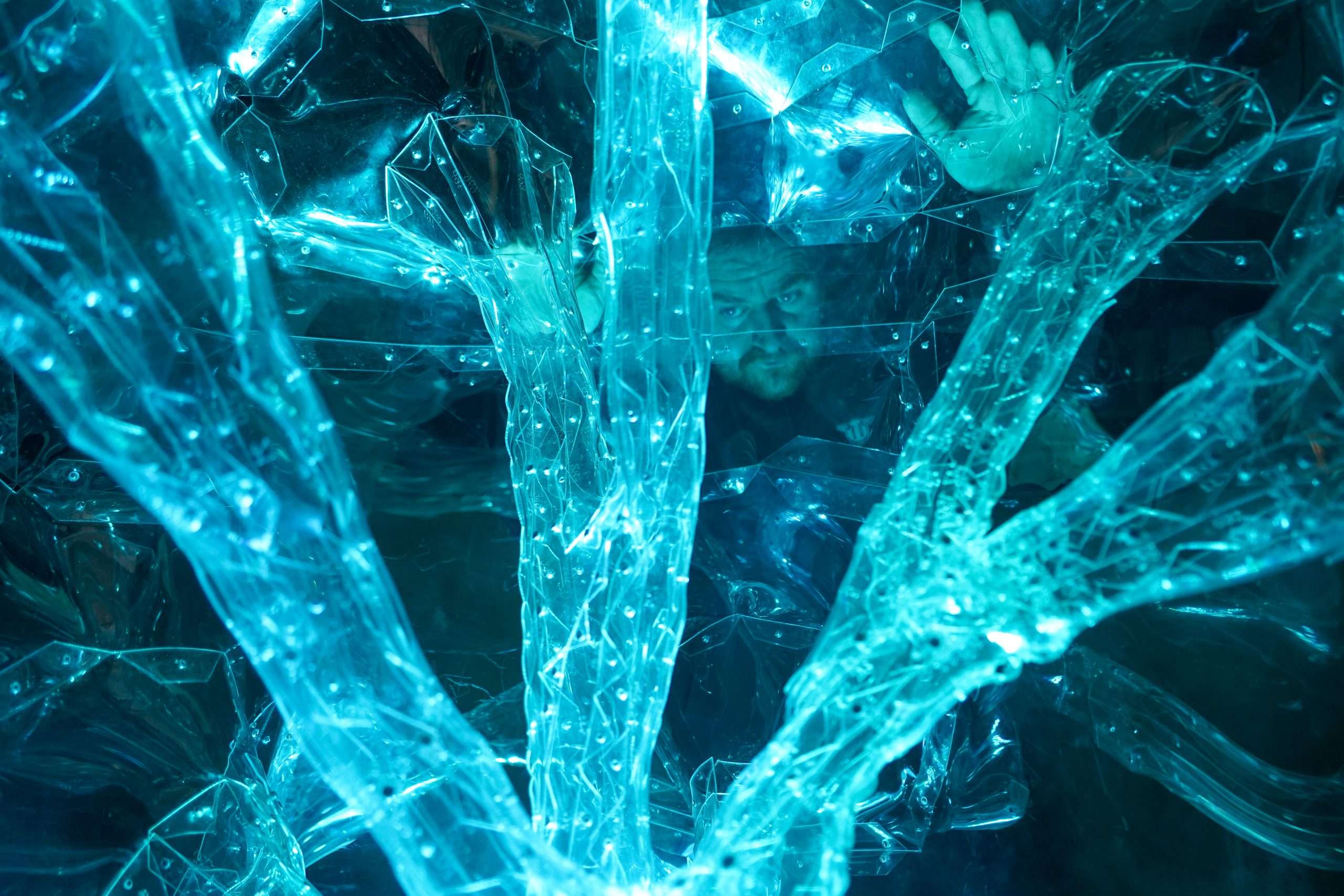
At Lazerian, we have always been interested in exploring reclaimed and unconventional materials, whether it be recycled PET, reclaimed industrial waste, discarded sports equipment, or reclaimed architectural elements. But for us, the material itself was never the whole story. The most interesting challenge is understanding how each decision made throughout the life of a project can reduce its impact while increasing its value.
This means designing work that communities want to care for rather than replace. This means creating facilities that can be repaired instead of thrown away. This means considering transportation, manufacturing, maintenance and possible reuse with the same care as the original concept. Most importantly, it means recognizing that sustainability is not a feature you add at the end of a project; it’s a way of thinking that shapes every decision from the start.
PakarPBN
A Private Blog Network (PBN) is a collection of websites that are controlled by a single individual or organization and used primarily to build backlinks to a “money site” in order to influence its ranking in search engines such as Google. The core idea behind a PBN is based on the importance of backlinks in Google’s ranking algorithm. Since Google views backlinks as signals of authority and trust, some website owners attempt to artificially create these signals through a controlled network of sites.
In a typical PBN setup, the owner acquires expired or aged domains that already have existing authority, backlinks, and history. These domains are rebuilt with new content and hosted separately, often using different IP addresses, hosting providers, themes, and ownership details to make them appear unrelated. Within the content published on these sites, links are strategically placed that point to the main website the owner wants to rank higher. By doing this, the owner attempts to pass link equity (also known as “link juice”) from the PBN sites to the target website.
The purpose of a PBN is to give the impression that the target website is naturally earning links from multiple independent sources. If done effectively, this can temporarily improve keyword rankings, increase organic visibility, and drive more traffic from search results.